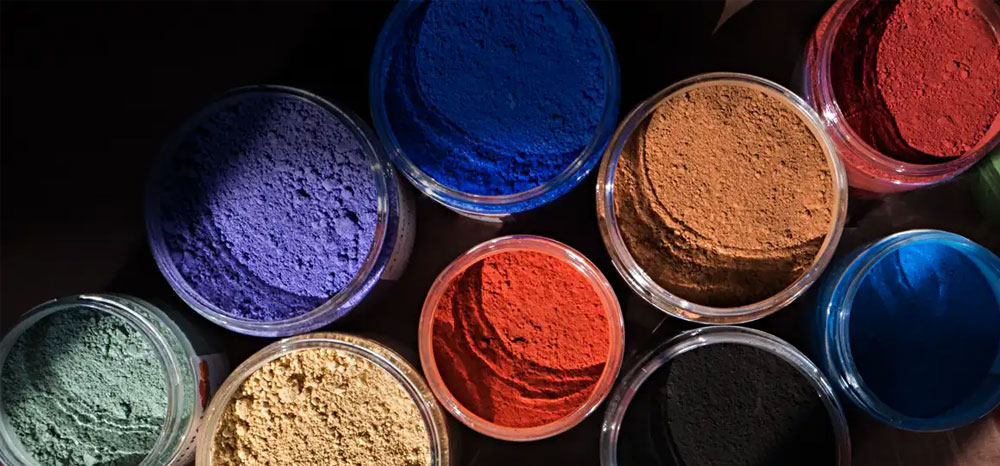
Pigments are essential to industries like paints, plastics, packaging, textiles, food, and cosmetics, but their prices are highly sensitive to the cost of raw materials. In 2025, buyers across global markets face increasing volatility due to raw material supply issues, energy costs, and sustainability compliance. Understanding how raw materials affect pigment pricing helps procurement managers negotiate smarter contracts and secure stable supply.
Why Raw Materials Matter in Pigment Production
Raw materials make up a major share of total pigment production costs, often accounting for 50–70% of the final price. Whether it’s titanium dioxide for inorganic pigments or intermediates for organic and reactive pigments, availability and cost directly determine how affordable pigments will be for buyers.
(Voice snippet: 40–60 words)
Raw materials are the single biggest factor influencing pigment prices. With costs often forming 50–70% of total production, fluctuations in titanium dioxide, phthalocyanines, or natural extracts immediately impact pigment pricing for industries worldwide.
Key Raw Materials Used in Pigment Manufacturing
Some of the most important raw materials that shape pigment prices include:
- Titanium Dioxide (TiO₂): Core for white pigments and high-opacity coatings.
- Phthalocyanine Intermediates: Essential for blue and green pigments.
- Azo Intermediates: Widely used in red, orange, and yellow organic pigments.
- Natural Extracts: Increasingly used in food colour pigments for clean-label demand.
- Specialty Chemicals & Additives: Enhancers for UV stability, heat resistance, and dispersion.
Any shift in these raw material markets creates a ripple effect across global pigment pricing.
How Global Market Conditions Impact Raw Material Supply
The cost and availability of pigment raw materials are influenced by global events and trade dynamics:
- Energy Prices: High oil and gas costs raise chemical production expenses.
- Geopolitical Tensions: Trade restrictions or sanctions affect global chemical supply chains.
- Environmental Compliance: Restrictions on hazardous intermediates force suppliers to shift to costlier eco-compliant alternatives.
- Regional Concentration: Asia (China & India) dominates pigment raw material production, making prices vulnerable to regional disruptions.
- Sustainability Pressure: Shift toward bio-based and eco-friendly raw materials adds R&D and processing costs.
👉 For buyers, this means that raw material volatility is no longer temporary — it is a strategic factor shaping procurement decisions.
Major Raw Materials Driving Pigment Prices in 2025
The pigment market in 2025 is shaped by fluctuations in critical raw materials:
- Titanium Dioxide (TiO₂): Still the most widely used raw material in pigments, TiO₂ costs rise with demand from paints, plastics, and coatings.
- Phthalocyanine Intermediates: Prices remain volatile due to chemical feedstock costs and environmental restrictions in China.
- Azo Intermediates: Production shifts in India and Asia-Pacific influence pricing of red, orange, and yellow pigments.
- Natural Extracts: Rising demand for clean-label food colours has driven up costs for natural sources like beetroot and turmeric.
- Specialty Additives: UV stabilizers, dispersants, and eco-friendly binders add incremental costs but ensure regulatory compliance.
Industry-Wise Impact of Raw Material Costs
Raw material fluctuations affect industries differently:
- 🎨 Paints & Coatings: TiO₂ price hikes directly increase costs of architectural and automotive coatings.
- 🧴 Plastics & Packaging: Dependence on polymers and optical brighteners makes pricing sensitive to petrochemical volatility.
- 🍬 Food & Beverages: Demand for natural food colours is pushing costs higher, especially with stricter FDA and EFSA standards.
- 💊 Pharmaceuticals & Cosmetics: Certified, high-purity pigments command premium prices.
- 🧵 Textiles & Printing: Dyestuffs used in apparel and home textiles see cost rises due to raw material shortages.
Sustainability & Compliance – How Eco-Materials Raise Production Costs
Global regulations are accelerating the shift toward eco-friendly pigments, but this comes at a price:
- 🌱 Bio-Based Raw Materials: Extraction and processing costs remain higher than synthetic alternatives.
- 🌍 Compliance Testing: REACH and FDA certification adds layers of cost before market approval.
- 🔬 R&D Costs: Developing low-VOC and non-toxic pigments requires advanced technology investments.
- ♻️ Circular Economy: Pigments designed for recyclability are pricier to manufacture.
While these add to short-term costs, they future-proof pigment sourcing and help buyers meet sustainability commitments.
Raw Material Volatility & Buyer Strategy
In 2024, a European coatings manufacturer faced rising TiO₂ costs that threatened margins. By partnering with Megha International:
- They secured bulk supply contracts that stabilized prices for 12 months.
- Accessed both organic pigments and dyestuffs, diversifying sourcing and lowering dependency on single raw materials.
- Received compliance-ready documentation to ensure smooth exports across EU markets.
This case demonstrates how strategic exporters can shield buyers from raw material volatility while maintaining supply reliability.
Raw Material Dependency: Pigments vs Dyestuffs
| Factor | Pigments | Dyestuffs |
|---|---|---|
| Key Raw Materials | TiO₂, phthalocyanines, azo intermediates | Intermediates (H-acid, vinyl sulfone, naphthols) |
| Price Sensitivity | Highly sensitive to petrochemicals & TiO₂ costs | Sensitive to textile demand & chemical feedstock |
| Applications | Paints, plastics, coatings, food colours | Textiles, printing, specialty dyes |
| 2025 Pricing Outlook | Moderate increases expected (3–6%) | Stable to slightly rising in Asia & Europe markets |
👉 For procurement managers, understanding raw material dependency is key to balancing pigment and dyestuff sourcing strategies.
Why Megha International Ensures Stability Despite Raw Material Swings
- 🌍 Global Sourcing Strength: Access to diverse raw material supply chains across Asia and Europe.
- 📊 Stable Pricing Models: Long-term contracts to shield buyers from TiO₂ and phthalocyanine price spikes.
- 🧪 Diverse Product Portfolio: Pigments, food colours, optical brighteners, and dyestuffs.
- ✅ Compliance Advantage: REACH, FDA, and ISO-certified products ready for regulated markets.
- 🚢 Export Reliability: Proven delivery to 50+ countries with optimized logistics solutions.
By choosing Megha International, buyers secure a partner who manages raw material volatility and delivers consistent, compliant pigment supply globally.
Export & Global Supply Capabilities of Megha International
Megha International helps global buyers manage pigment procurement even during raw material cost swings.
- 🌍 50+ Countries Served: Strong export presence in Asia, Europe, Americas, Middle East & Africa.
- 📦 Flexible Shipments: Bulk and containerized exports of pigments, food colours, dyestuffs, and optical brighteners.
- ✅ Compliance-Ready Supply: REACH, FDA, FSSAI, and ISO-approved pigments for regulated industries.
- 📊 Stable Pricing Options: Long-term contracts and bundled sourcing to offset raw material volatility.
Mitigating Raw Material Cost Risks
Procurement heads can minimize the impact of raw material volatility by:
✅ Locking Long-Term Contracts: Secure predictable pricing with exporters.
✅ Consolidated Sourcing: Bundle pigments, dyestuffs, and optical brighteners under one supplier.
✅ Exploring Alternatives: Where possible, shift between organic, inorganic, and natural sources.
✅ Prioritizing Compliance: Use certified products to avoid hidden costs from rejections or penalties.
✅ Monitoring Regional Trends: Track TiO₂, phthalocyanine, and natural extract prices in Asia-Pacific and Europe.
FAQs
Q1. How do raw material costs affect pigment prices?
Since raw materials account for 50–70% of pigment production costs, any increase in TiO₂, phthalocyanines, or natural extracts directly raises pigment prices.
Q2. Which raw materials drive pigment pricing the most?
Titanium dioxide, phthalocyanine intermediates, azo intermediates, and natural extracts for food colours.
Q3. Why are pigment prices rising in 2025?
High energy costs, supply disruptions in Asia, and stricter eco-compliance are increasing raw material costs.
Q4. How can buyers reduce risks from raw material price volatility?
By securing long-term supply contracts, consolidating sourcing, and working with a trusted pigment manufacturer.
Q5. Which industries are most affected by pigment raw material prices?
Paints, coatings, plastics, textiles, dyestuffs, food, and cosmetics.
Q6. Can I get price forecasts and datasheets for pigments?
Yes. Buyers can contact us for technical datasheets, samples, and region-specific price updates.
Q7. Where can I find more updates on pigment trends?
Visit our Blog & News section for regular market insights.
Request Quotes, Specs & Pricing Insights
Planning your pigment procurement for 2025?
- 📄 Explore our full pigment range for technical details.
- 🧪 Get samples and compliance documentation tailored for your industry.
- 📊 Lock in long-term contracts to offset raw material volatility.
- 📞 Contact us today for custom pricing, export support, and expert guidance.
Megha International ensures pigment buyers get stability, compliance, and cost efficiency — even in volatile raw material markets.
Partner with a Raw-Material-Savvy Exporter
Raw material costs will remain the biggest driver of pigment pricing in 2025. For buyers, the challenge isn’t just tracking costs — it’s partnering with an exporter who can provide predictable pricing, certified supply, and global reliability.
With its diverse portfolio of pigments, dyestuffs, food colours, and optical brighteners, Megha International helps procurement teams future-proof supply chains and stay competitive in global markets.
👉 Secure your pigment sourcing with a trusted partner — choose Megha International for stability and growth.